

Choosing a Self Propelled Wheelchair With Removable Arms
Self propelled wheelchairs have large rear wheels that the occupant can push to move themselves. They're light and easy to maneuver, making them ideal for those who have enough strength to move themselves independently.
Self-propelled wheelchairs that weigh less than a pound feature an aluminum frame and can fold down, making them easy to transport and move. Certain models can be converted to a transport chair by removing the rear wheels.
self control wheelchair -propelled chair with armrests that can be removed is more than just a piece of mobility equipment. It's a means to get around and do whatever you want to do. Before you buy a wheelchair it's important to think about your lifestyle and what you'd like to accomplish with it. You can also talk to your doctor or rehabilitation specialist on the best chair for you.
The weight of a wheelchair can be affected by the dimensions and the materials used in the frame, as well as any additional features. Some chairs, for example are equipped with larger rear wheels that can help you navigate uneven surfaces. It is also advisable to consider the kind of tires you require. Certain tires are low-pressure and have a thick tread, which can offer you a smoother ride, but require more effort to push over rougher surfaces.
Rigid manual wheelchairs are constructed with frames that are generally made from aluminium or titanium which help reduce their weight overall. They tend to be lighter due to the fact that they don't have as much tubing as other styles which can create a flexible structure and absorb energy, which can pose a problem to certain users. This type of wheelchair can be a great option for those suffering from hemiparesis or hemiplegia, as it can reduce the muscle tone in the muscles of the arms and legs.
Another method to reduce the weight of the wheelchair is to remove any unnecessary parts. For instance some wheelchairs come with leg rests that move and adjust which can increase the weight of the chair.
If you do not need these accessories, you might want to consider a simple lightweight chair like the Glacier. It has an easy-to-use, but flexible design. It is also simple to fold, which is ideal for those who need to transport their chair or transfer in and out of them frequently.
A wheelchair that has brakes is a great option for those who require assistance moving around or stopping the chair. This can be a good choice for heavy or very large users who require additional assistance when moving or stopping.
Height
When you are choosing a self-propelled wheelchair, the body's height is a crucial factor. Having a chair with the correct height will allow you to move comfortably and comfortably and comfortably, which is crucial in cases where you must move on and off the chair frequently. Also, consider if you plan to use the chair outdoors. A wheelchair with a high seat height will give you more stability.
Wheelchairs come in a variety of sizes, including standard and bariatric models. A bariatric chair has an extended frame that can hold more weight. Aluminium is used to make lightweight self-propelled wheelchairs, which are lightweight and easy to maneuver. It comes in a variety of colors and comes with features like armrests with removable arms that are useful for people who want to sit closer at their desks.
The size of the rear wheels is the major difference between the two types of wheelchairs that can be self-propelled. Self-propelled wheelchairs have bigger rear wheels that make it easier for the user to propel themselves by pushing on the hand rims. This can help users overcome obstacles like kerbs and single steps that may otherwise hinder their progress.
Ask your rehabilitation specialist on how to properly propel the chair if you choose self-propelled wheelchair. If you do not propel the chair in a proper manner it could result in arm injuries and decrease the effectiveness of your mobility. Propeller the chair correctly, and you'll be able to have greater mobility.
There are wheelchairs with attendant brakes. They are ideal for those who have to be pushed by another. The attendant brakes are much simpler to use than self-propelled ones to slow down, turning and stopping. They also make the wheelchair safer for the user, since they are less likely to cause injury if the user loses control of the chair.
Length
The length of the wheelchair is a crucial aspect to take into account. It determines the dimensions and layout of other additional features of a wheelchair. For instance the ability of a person to reach the hand rims of the wheels will depend on whether or not the wheelchair is long enough to allow them to do so. The width of the chair and its position within the frame are also factors to consider. If the seat is too big for the user and it causes imbalances in posture and balance. In the same way, if the seat's depth is too deep, it could result in stress on the hips and knees over time.
Wheelchairs come in a wide range of sizes and styles to meet a variety needs. For instance, some models come with built-in toilets for those who require assistance in toileting. Other models may come with reclining features to give back support and comfort. Some wheelchairs have armrests that are removable that allow users to move more easily from side to side.
There are different types of wheelchair frame, including those made from aluminium and titanium. Titanium is more durable and lighter than aluminium. It can be utilized in the manufacture of lightweight frames. Titanium has a longer lifespan than aluminum and can therefore resist corrosion and bending more efficiently. Titanium frames can also flex which makes them more comfortable for certain users.
Many self-propelled wheelchairs are adjustable in height of the seat so that they can accommodate many different types of users. The seat should be a decent distance above the ground so that the client can sit and stand in a safe manner. It is also possible to purchase wheelchairs with footrests that are detachable that can be used to add support and stability.
The weight of a self-propelled chair is a crucial factor to consider when selecting a model. The lighter the wheelchair the more easy it is to maneuver and transport. The frame should also be light to ease the burden on the user's body. Some wheelchairs feature a lightweight and durable carbon or titanium fibre frame. They are typically more expensive than a standard aluminum frame, however they can provide significant benefits for those with special needs.
Design
There are a few wheelchairs that have an ultralight frame. However, they usually have little or no seating options or frame adjustments. The rear wheel is typically behind the user, which is good for stability but not very efficient for self-propulsion. These types of frames may be ideal for patients with weight issues but they must be paired with the proper cushion and back to enable them to move efficiently.
The final component, which includes the wheels, the back support, and the seat cushion, is what constitutes the majority of the weight. You can start with a lightweight frame for your wheelchair, but end up with a heavier one. This is due to the components and seating you choose.
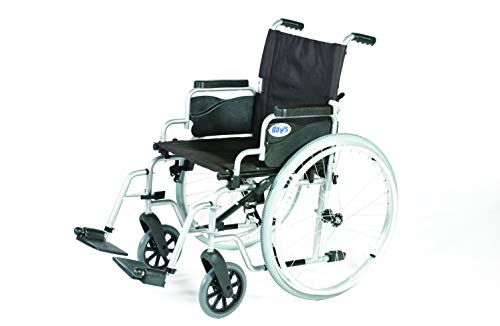
Wheelchairs can be constructed of titanium or aluminum and constructed with various attachments based on the user's needs. Carbon Fibre is a great material for frames with a light weight, but it can be expensive.
When selecting a frame size it is essential to consider the seat width and depth because these are crucial factors to ensure the proper mobility of the user. These measurements can be found in the "Product Specifications" section on most mobility equipment retailer websites.
The ability of the client to reach the hand wheels to propel is also vital. If the client is sitting up high above the front wheels, it may be difficult for them to reach these and this will restrict their mobility. If the person is unable to drive their wheelchair, they may need a chair that has brakes that are accompanied by an attendant to allow them to be assisted by caregivers.
Other features that can be added to a wheelchair include the ability to fold it for transport and the use of quick release axles that reduces the weight of the chair when it is being transported. The addition of tires specially designed for different conditions can enhance the comfort and performance of the chair, by ensuring an easy ride and traction on rough surfaces like gravel and snow.